AMAUTA 100! – Subscribe to the facsimile edition
Monthly cultural magazine
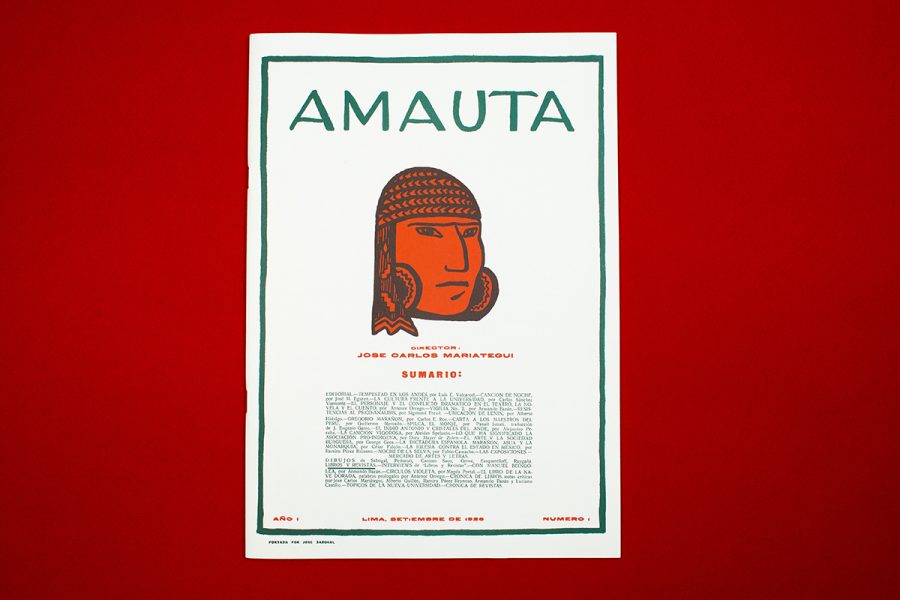
It has been 100 years since José Carlos Mariátegui declared, in the editorial of the first issue of Amauta, that one would have to be very short-sighted not to realize that a historic magazine was being born in Peru at that moment. Not only was this confirmed in subsequent issues, but time has established Amauta as one of the most important Latin American magazines of the 20th century.
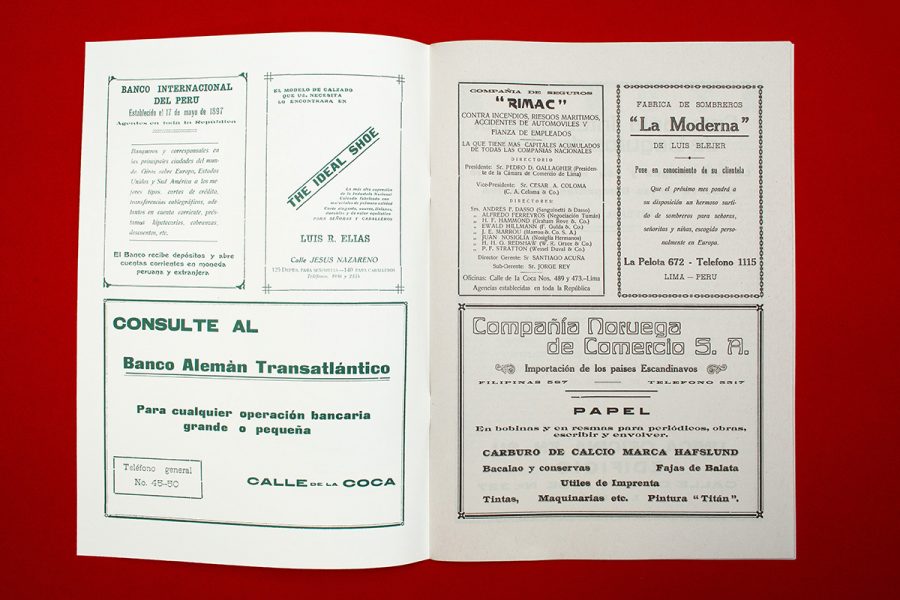
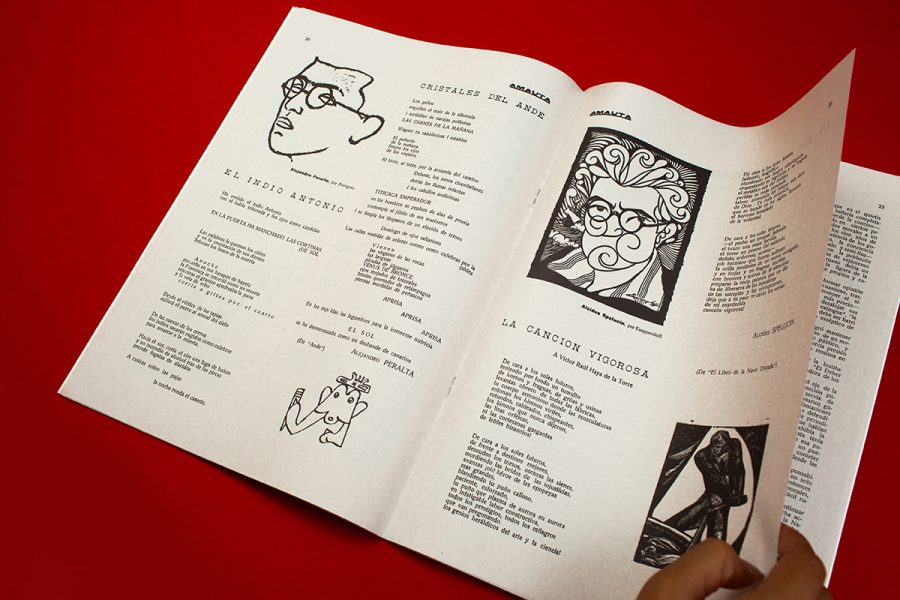
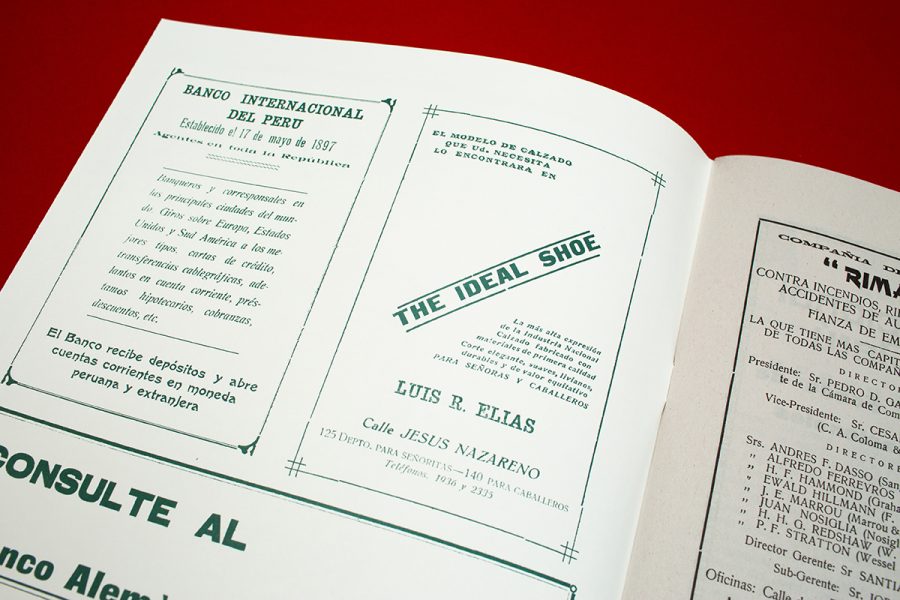
As part of the celebration of this centennial, La Balanza Taller Editorial and the José Carlos Mariátegui Archive have joined forces to present a new facsimile edition of the complete collection of Amauta. A magazine of doctrine, art, literature, and polemics. This undertaking—which involves a major effort—will be carried out in installments, as separate issues, in an attempt to replicate the annual output of the Sociedad Editora Amauta [Amauta Publishing Society]. This will be the first time that each issue is reproduced in its entirety, since the 1976 facsimile edition, published to mark the 50th anniversary, did not include the bulk of the original advertising material. This omission, in addition to altering the issue numbering and the layout of the Libros y Revistas [Books and Magazines] supplement, obscured one of the project’s main sources of funding, as well as the commercial networks that a publication with a distinctly socialist spirit was able to weave.
The new facsimile edition
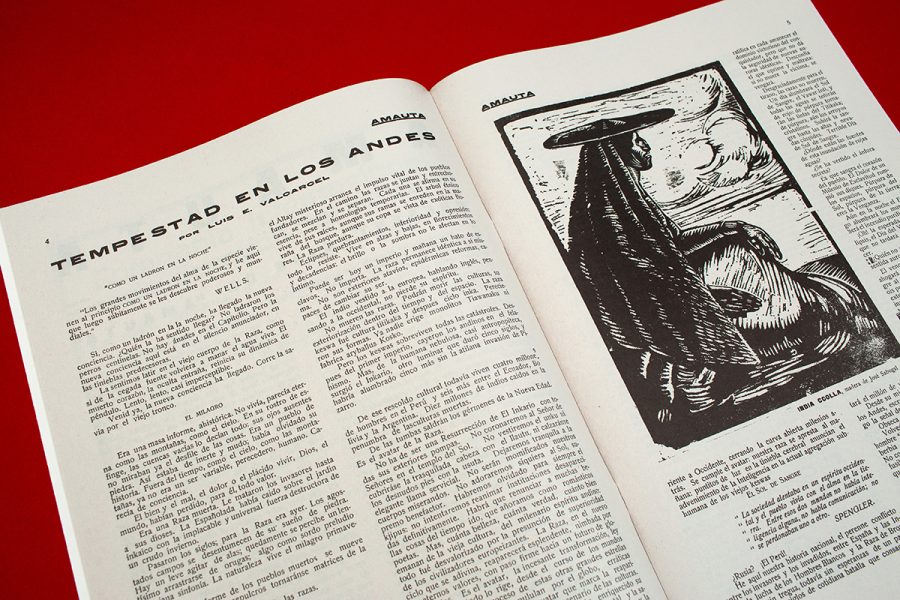
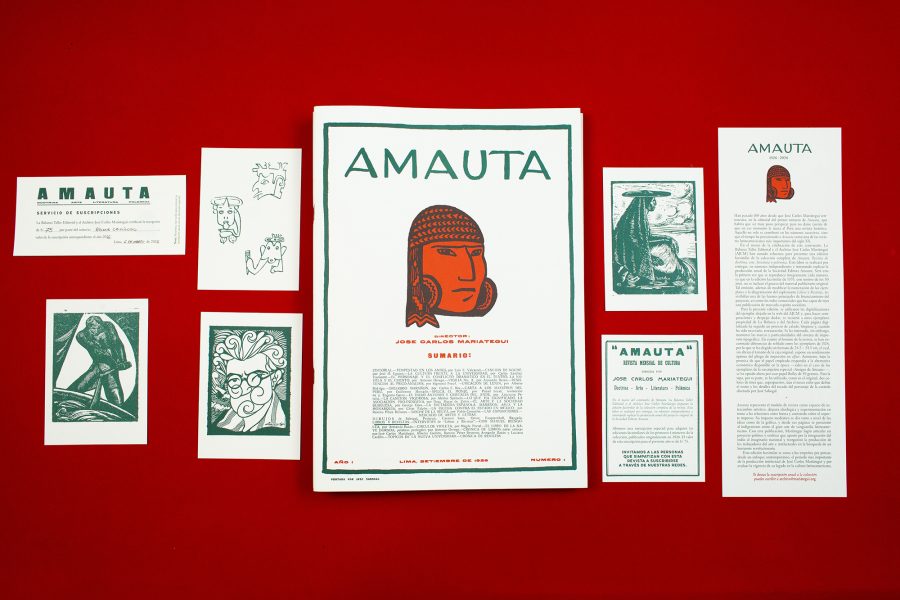
For this edition, we used the digitized copies hosted on the José Carlos Mariátegui Archive website. Furthermore, to achieve the best possible facsimile edition, we made comparisons with other original copies owned by La Balanza and the José Carlos Mariátegui Archive . Each digitized page underwent a meticulous process of scanning, cleaning, and, when necessary, restoration. However, an effort has been made to preserve the marks and characteristics of the letterpress printing system. Regarding the magazine’s format, differences in trimming were found among the 1926 copies; therefore, a format of 24.5 × 34.5 cm was chosen, which, without altering the size of the original page, ensures optimal yield of the offset printing sheet. Likewise, based on the premise that the paper used reflected the economical options available at the time—except in the case of the copies of the “Amigos de Amauta” special subscription edition of the —we have now opted to use 49-gram Bulky paper. For the cover, meanwhile, two ink colors have been used, as in the original; when superimposed, they produce the third color that defines the face and the details of the headdress of the character on the cover designed by José Sabogal.
*
Amauta represents the model of a magazine as a space for artistic exchange, ideological debate, and experimentation regarding the relationship between form and content in print media. Its media impact was felt both in terms of ideas and graphics, and through its pages, Indigenism was positioned as the great avant-garde art of Latin America. With this publication, Mariátegui succeeded in articulating a political and aesthetic project that championed the integration of Indigenous peoples into the national imagination and reorganized the work of artists and intellectuals in the pursuit of a revolutionary horizon.
This facsimile edition joins the efforts to reflect, from a contemporary perspective, on the most significant period of José Carlos Mariátegui’s intellectual output and to assess the relevance of his legacy in Latin American culture.
*
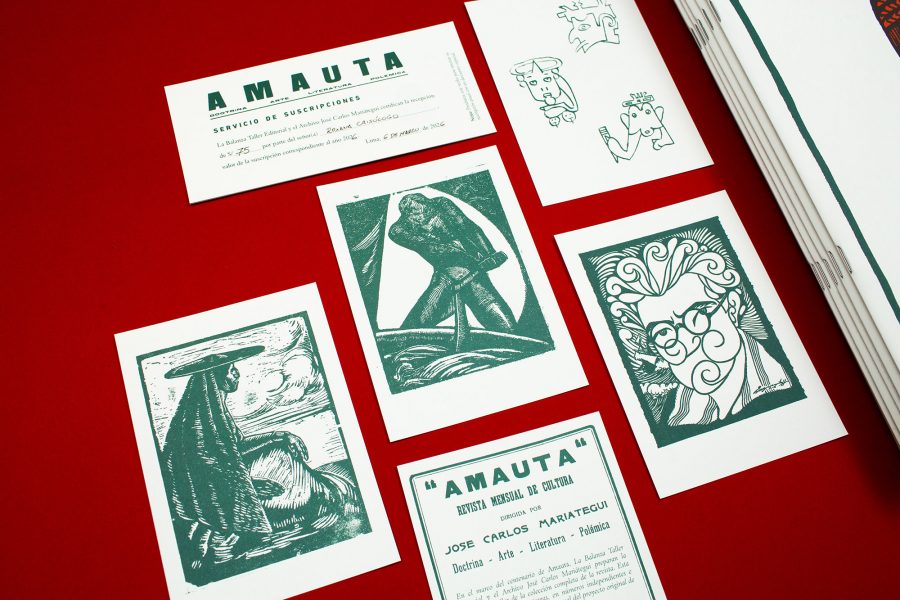
To achieve the goal of publishing all 32 issues of Amauta, we have launched a subscription system for the first four issues to be published this year. Beyond the commercial aspect, subscribers’ participation ensures the project’s sustainability and gives it a collective dimension. By joining, you not onlyensure an access to the collection but also make it possible for others access toit.
A unique opportunity
For the first time in nearly a century, it is possible to hold in your hands the complete collection of Amauta exactly as it was originally conceived—every page, every advertisement, every graphic detail restored with editorial rigor.
To purchase the collection, we have launched a subscription service (limited availability), at USD $30.00 for the first four issues (plus shipping), which will be delivered this year.
Those who subscribe now not only secure their collection starting with the first issue, but also make it possible for this project to be completed in its entirety: the 32 issues that changed the intellectual history of Latin America.